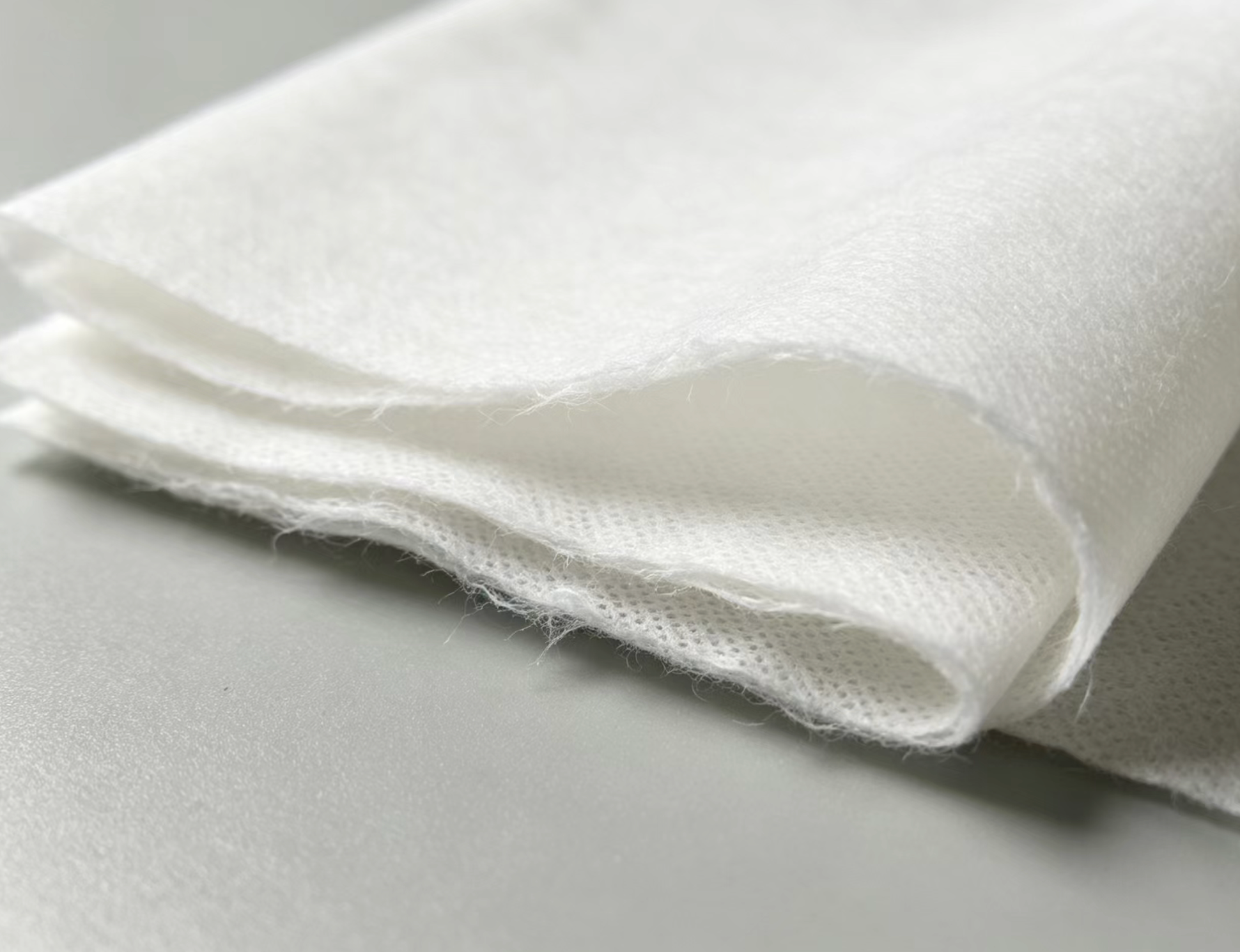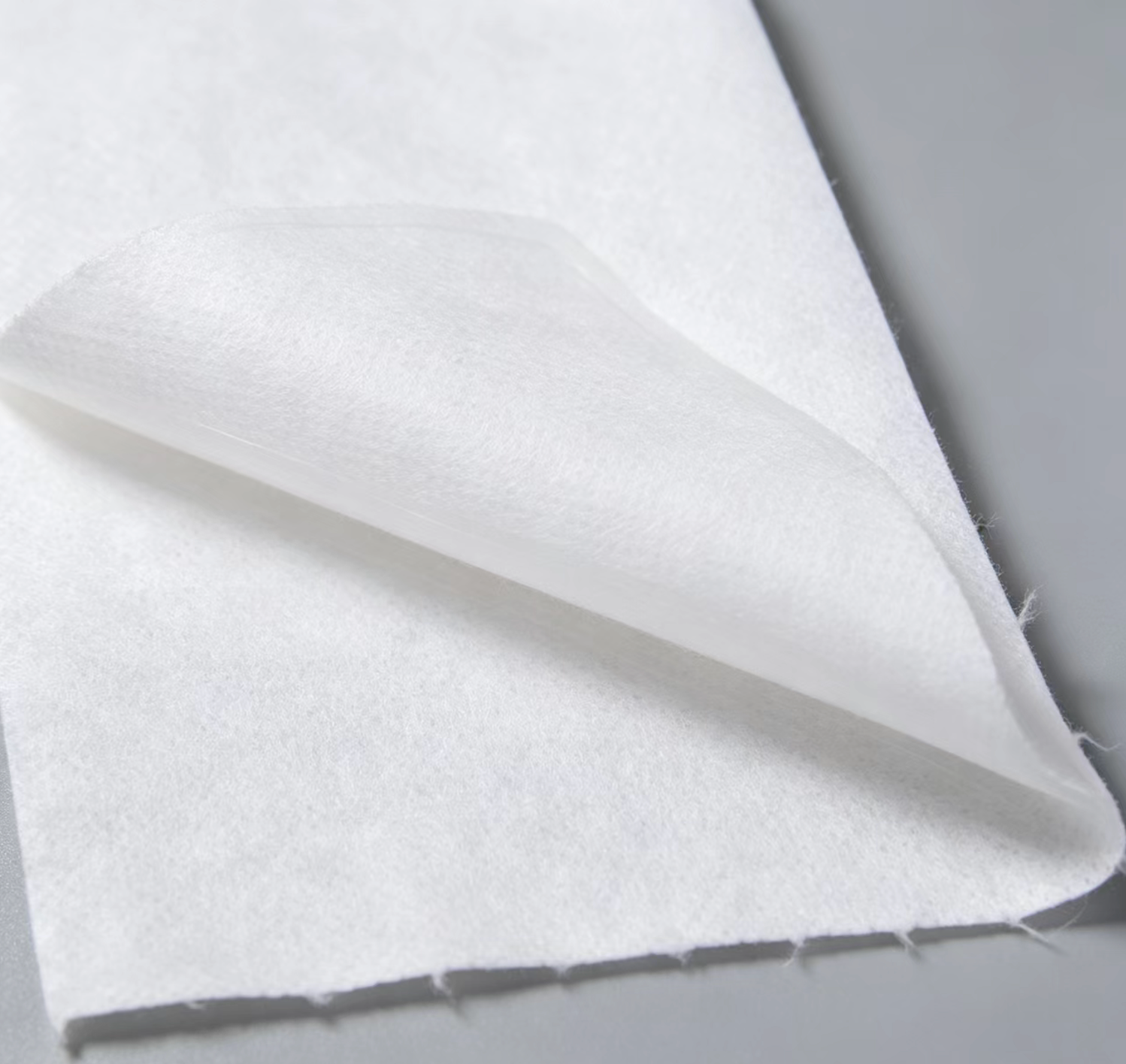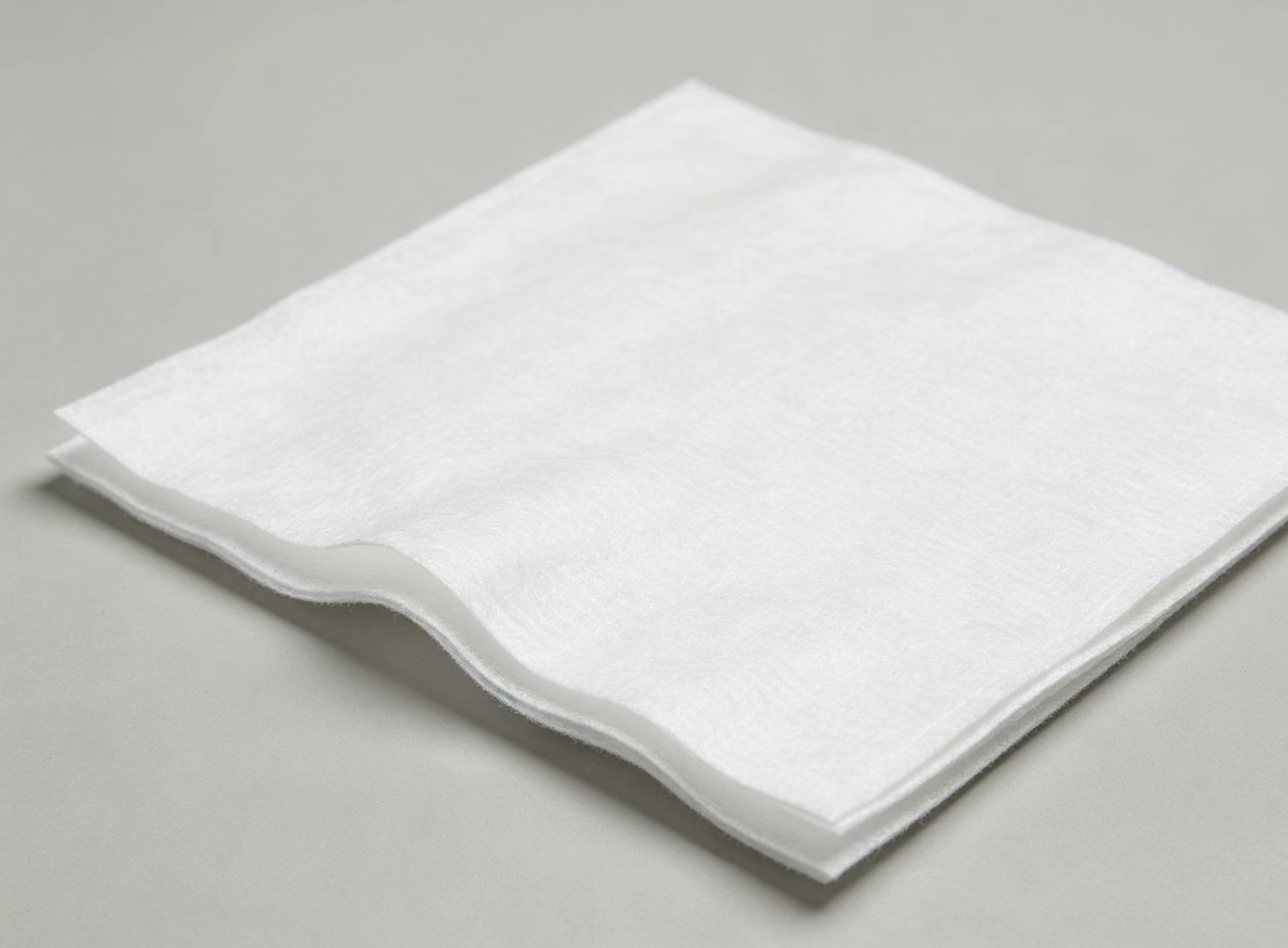
Double Layer Spunlace Nonwoven: Glue-Free Double Carding Integrated VS Glue Lamination Process 双层水刺无纺布两大工艺对比:无胶双梳理一体成型 VS 胶水复合工艺
双层水刺无纺布(指两层不同材料,不同纹路,不同颜色、不同克重的复合工艺布面),作为面膜布、卸妆棉、擦拭基材的热门材料,市场上主要分为两大生产工艺:
第一种是双梳理双铺网一体水刺成型。这种水刺无纺布基材对设备以及制造能力要求高。同时起订量大,最低起订量要求 10 吨起。
第二种是采用两种单层水刺无纺布通过胶水复合粘合。这种水刺无纺布基材最大的优势是低定量低。通常情况下,500KG 即可定制。
两种工艺成品外观看似相近,但内部结构、使用体验、安全属性、应用场景有着本质区别,也是海外品牌客户选型时重点关注的核心。
Double-layer spunlace nonwoven fabric refers to composite fabric made of two layers with different materials, textures, colors and grammages. It is a popular substrate for facial mask sheets, makeup remover pads and wiping products. There are two main production processes available on the market:
The first process is integrated spunlace forming with double carding and double web laying. This type of spunlace nonwoven substrate demands high-standard equipment and manufacturing capability. Meanwhile, it comes with a high minimum order quantity (MOQ), starting from 10 tons.
The second process is lamination of two single-layer spunlace nonwovens with adhesive bonding. Its biggest advantage is a low MOQ. Customization is normally available from 500 KG.
Finished products from the two processes look similar, yet they differ fundamentally in internal structure, user experience, safety performance and application scenarios. This is a key consideration for overseas beauty brand customers during material selection.
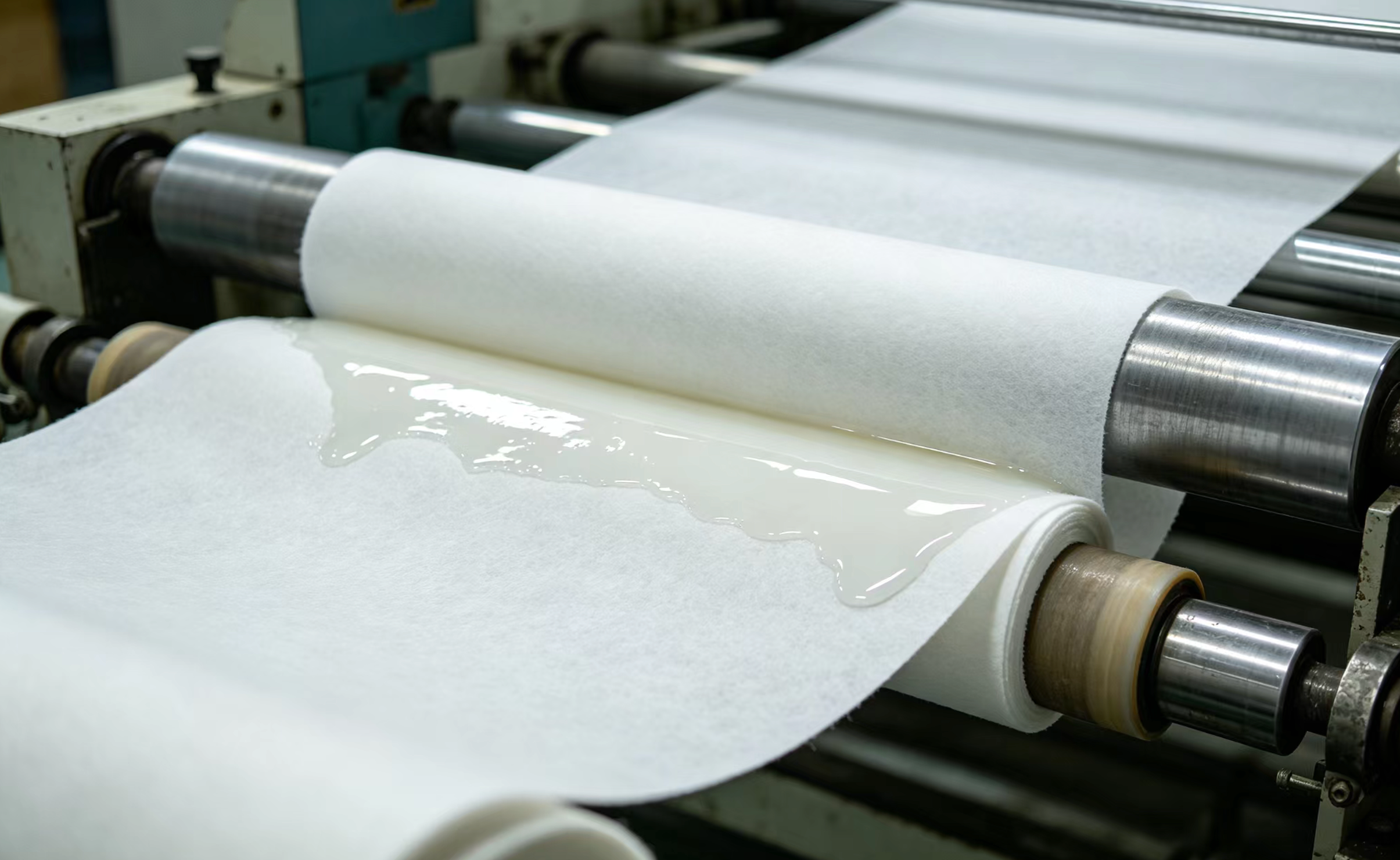
Process 1: Double carding & double web laying, direct double-layer integrated spunlace forming
During production, this process uses two sets of carding machines to lay two fiber webs simultaneously. High-pressure spunlace entanglement interlocks the fibers by physical interweaving. The upper and lower layers are firmly bonded into one piece purely through fiber entanglement, with no glue or adhesives added throughout the process.
Advantages
1. Pure physical fiber entanglement, zero adhesive addition. It eliminates safety risks caused by adhesives from the source. Ideal for facial mask sheets and skin-contact products, suitable for sensitive skin. Complies with cosmetic raw material safety regulations of the EU and South Korea.
2. Delamination resistance: Fibers interpenetrate and fuse with each other. The material will not peel or separate when stretched or soaked in liquid. When used as facial mask sheet, both layers adhere to skin together, enabling even serum transfer without single-layer slipping.
Process 2: Adhesive lamination of single-layer nonwovens (two fabric layers bonded by adhesives)
Advantages
1. Supports small-batch customization with fast lead time and prominent cost benefits. Single-layer fabrics with different textures and grammages can be flexibly combined and laminated quickly. Suitable for cost-sensitive, general disposable wiping products.
2. Safety note for adhesive lamination: The safety of glue-laminated products fully depends on the quality of selected adhesives. Compliance needs to meet regulatory requirements of respective countries and regions.